Sugar-Free Greek Yogurt Cheesecake Recipe
Introduction
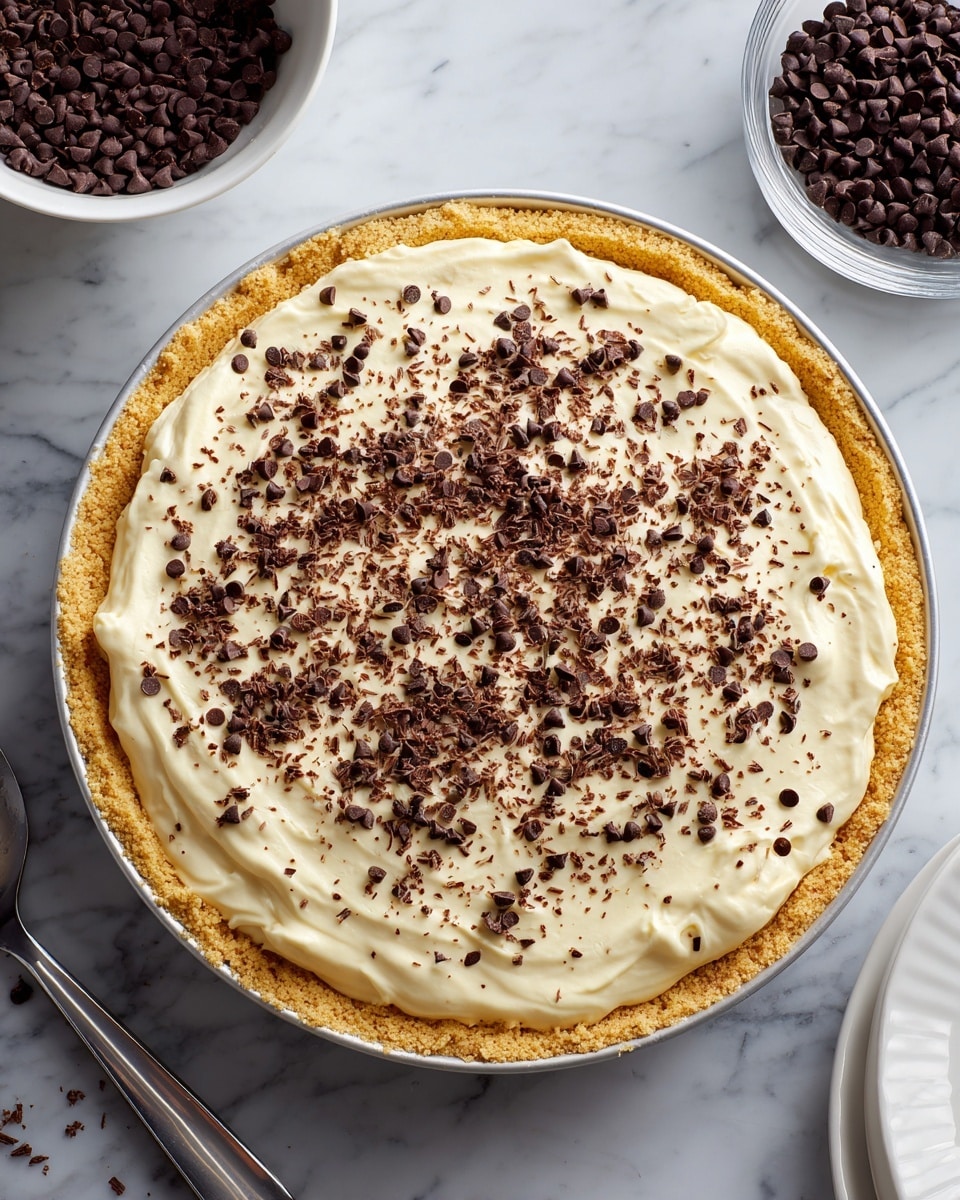
This Sugar-Free Greek Yogurt Cheesecake is a creamy, rich dessert perfect for keto and low-carb lifestyles. Sweetened naturally with erythritol and stevia, it offers indulgent flavor without the guilt. The almond flour crust and chocolate topping make it a delightful treat that’s easy to prepare at home.
Ingredients
- For the crust:
- 1.75 cups almond flour (preferably a fine grind)
- 0.25 cup coconut flour
- 2 tbsp erythritol
- 0.25 cup butter (melted and cooled to room temperature)
- For the filling:
- 24 oz cream cheese (room temperature)
- 8 oz full-fat Greek yogurt (room temperature)
- 4 eggs (room temperature)
- 0.66 cup erythritol
- 2 tsp vanilla extract
- 20 drops stevia
- Pinch of salt
- For the topping:
- 0.5 cup sugar-free chocolate chips
- 0.25 cup chocolate (sugar-free)
Instructions
- Step 1: Preheat your oven to 350°F (180°C). In a bowl, whisk together almond flour, coconut flour, and erythritol. Stir in the melted, cooled butter until the mixture resembles wet sand. Press firmly into the bottom of a 9-inch springform pan to form the crust. Do not pre-bake; it will firm up during baking.
- Step 2: Using an electric mixer on medium speed, beat the room-temperature cream cheese and Greek yogurt together for 2-3 minutes until smooth and lump-free. Room temperature ingredients are essential for a creamy texture.
- Step 3: Add erythritol, vanilla extract, and stevia drops to the cheese mixture. Mix on medium speed for 1-2 minutes, scraping down the sides halfway through to fully incorporate the sweeteners.
- Step 4: Reduce mixer speed to low. Add the eggs one at a time, mixing gently for about 30 seconds after each addition and scraping the bowl between eggs. Add a pinch of salt and mix for 15 more seconds. Avoid overmixing to prevent cracks.
- Step 5: Pour the filling over the crust in the pan, smoothing the top with a spatula. Bake on the middle rack for 45 minutes. The cheesecake is done when edges are set and the center jiggles slightly. Turn off oven, crack the door open 4 inches, and let it cool inside for 30 minutes to prevent cracking.
- Step 6: Remove from oven and cool completely on the counter for 1-2 hours. Refrigerate for at least 4 hours or overnight for best texture. Before serving, melt chocolate chips and chocolate in 30-second intervals in the microwave, stirring until smooth. Drizzle or spread the melted chocolate over the cheesecake.
Tips & Variations
- Use full-fat Greek yogurt for the creamiest texture; Icelandic-style yogurt (skyr) works well too.
- Substitute almond flour with half the amount of coconut flour and add an extra egg for the crust.
- Any keto-friendly sweetener like monk fruit or allulose can replace erythritol; adjust stevia accordingly.
- Swap cream cheese with sour cream for a tangier filling without changing other ingredients.
- Use coconut oil instead of butter in the crust for a slight coconut flavor.
- Try sugar-free white chocolate chips for a different chocolate twist.
- Bring cream cheese and Greek yogurt to room temperature to avoid lumps in the filling.
- Do not overmix after adding eggs to prevent cracks during baking.
- Allow gradual cooling in the oven to avoid sudden temperature shocks and cracks.
Storage
Store the cheesecake covered tightly in the refrigerator for up to one week. The flavors improve after a day or two. For longer storage, freeze individually wrapped slices or the whole cheesecake for up to 3 months. Thaw slices overnight in the fridge or for about 30 minutes at room temperature before serving. The cheesecake can be enjoyed chilled or slightly softened for creamier texture.
How to Serve
Serve this delicious recipe with your favorite sides.
FAQs
Can I use low-fat Greek yogurt in this recipe?
It’s best to use full-fat Greek yogurt, as low-fat or fat-free versions often contain added sugars and won’t provide the creamy texture needed for the cheesecake.
Why does my keto cheesecake crack on top?
Cracking usually happens from overmixing the batter, especially after adding eggs, or from sudden temperature changes while baking or cooling. Use low mixer speed when adding eggs and cool the cheesecake gradually in the oven with the door slightly open to prevent cracks.
PrintSugar-Free Greek Yogurt Cheesecake Recipe

This Sugar-Free Greek Yogurt Cheesecake is a creamy, keto-friendly dessert that combines a rich almond flour and coconut flour crust with a smooth cream cheese and full-fat Greek yogurt filling. Sweetened naturally with erythritol and stevia, it satisfies chocolate cravings with sugar-free chocolate chips and a chocolate topping. Perfect for those following low-carb or keto diets, it offers a delicious and guilt-free treat with a rich, tangy flavor and a luscious texture.
- Prep Time: 25 minutes
- Cook Time: 45 minutes
- Total Time: 1 hour 10 minutes
- Yield: 8 slices 1x
- Category: Dessert
- Method: Baking
- Cuisine: American
- Diet: Low Carb
Ingredients
For the crust
- 1.75 cups almond flour (preferably finely ground, e.g., King Arthur)
- 0.25 cup coconut flour
- 2 tbsp erythritol
- 0.25 cup butter (melted and cooled to room temperature)
For the filling
- 24 oz cream cheese (room temperature, Philadelphia brand preferred)
- 8 oz full-fat Greek yogurt (room temperature)
- 4 eggs (room temperature, about 70°F)
- 0.66 cup erythritol
- 2 tsp vanilla extract
- 20 drops liquid stevia
- Pinch of salt
For the topping
- 0.5 cup sugar-free dark chocolate chips (e.g., Lily’s)
- 0.25 cup sugar-free chocolate (melted)
Instructions
- Prepare the Crust and Preheat Oven: Preheat your oven to 350°F (180°C). In a bowl, whisk together almond flour, coconut flour, and erythritol to distribute the sweetener evenly. Stir in the melted and cooled butter until the mixture resembles wet sand. Firmly press this mixture into the bottom of a 9-inch springform pan, creating an even layer. Do not pre-bake; the crust will bake together with the filling.
- Create the Creamy Cheese Base: Using an electric mixer at medium speed, beat the room-temperature cream cheese and full-fat Greek yogurt together for 2-3 minutes until smooth and creamy without lumps. It’s essential both ingredients are at room temperature to prevent graininess.
- Sweeten and Flavor the Filling: Add erythritol, vanilla extract, and stevia drops to the cheese mixture. Mix at medium speed for 1-2 minutes, scraping the bowl halfway through to ensure thorough incorporation of sweeteners, avoiding any concentrated pockets of sweetness.
- Incorporate Eggs One at a Time: Reduce mixer speed to low. Add the room-temperature eggs one at a time, mixing for about 30 seconds after each addition and scraping the bowl between eggs. This gentle mixing prevents over-incorporation of air which can cause cracks. After all eggs are combined, add a pinch of salt and mix briefly for 15 seconds.
- Bake the Cheesecake: Pour the filling over the prepared crust, smoothing the top gently. Bake on the middle rack for 45 minutes at 350°F. The cheesecake is done when edges are set but the center still slightly jiggles (about 1-2 inch diameter). Turn off oven, crack the door open about 4 inches, and let the cheesecake sit inside for 30 minutes to cool gradually and avoid cracks.
- Cool and Add Chocolate Topping: Remove cheesecake from oven and cool completely at room temperature for 1-2 hours. Refrigerate at least 4 hours or overnight to set. Before serving, melt chocolate chips and chocolate in 30-second microwave intervals, stirring until smooth. Drizzle or spread melted chocolate over cheesecake top.
Notes
- Always bring cream cheese and Greek yogurt to room temperature before mixing to avoid lumps.
- Do not overmix after adding eggs to prevent cracks on the cheesecake surface.
- The crust does not require pre-baking; it firms up perfectly during baking.
- Avoid opening the oven door during baking to maintain temperature and prevent cracking.
- Gradual cooling in the oven with door cracked enhances texture and reduces cracks.
- Use full-fat Greek yogurt or Icelandic-style yogurt (skyr) for best creamy texture; avoid low-fat or fat-free varieties with added sugars.
- For substitutions: monk fruit, allulose, or xylitol can replace erythritol; coconut oil can replace butter for crust; sour cream can replace Greek yogurt.
- Store cheesecake covered in refrigerator for up to one week or freeze portions for up to 3 months.
- Serve with unsweetened whipped cream, fresh berries, or sugar-free caramel for extra flair.
Keywords: keto cheesecake, sugar-free cheesecake, Greek yogurt cheesecake, low carb dessert, keto dessert, sugar-free dessert, chocolate cheesecake, almond flour crust