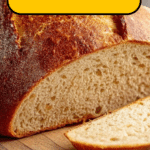
Keto Sourdough Bread: A Low‑Carb Twist on a Classic Recipe

This Keto Sourdough Bread is a low-carb twist on the classic sourdough, perfect for those following a ketogenic diet. Made with almond and coconut flour, psyllium husk for texture, and a keto-friendly sourdough starter, this bread provides a delicious, tangy flavor with the familiar sourdough tang. The addition of chia or flaxseeds and herbs like rosemary or thyme adds a subtle crunch and an aromatic depth. With a gentle fermentation process and baking in the oven with steam for a perfect crust, this bread is soft inside and crisp on the outside, making it an excellent ketogenic bread alternative.
- Prep Time: 15 minutes (plus 8–12 hours if making starter)
- Cook Time: 45 minutes
- Total Time: 1 hour 15 minutes active (plus 8–12 hours starter fermentation if needed)
- Yield: 1 loaf (8×4 inch pan, approx. 10 slices) 1x
- Category: Bread
- Method: Baking
- Cuisine: Keto, Low-Carb
- Diet: Gluten Free
Ingredients
Dry Ingredients
- 1½ cups almond flour
- ⅓ cup coconut flour
- 2 tbsp psyllium husk powder
- 1 tsp baking powder
- ½ tsp sea salt
- ¼ cup erythritol (optional for slight sweetness)
Wet Ingredients
- 2 large eggs
- ¾ cup warm water
- 1 tbsp apple cider vinegar
- 100 g active keto sourdough starter
Add-Ins
- 1 tbsp chia or flaxseeds
- 1 tsp dried rosemary or thyme
Instructions
- Mix Starter (if needed): If you don’t have an active keto starter, combine 50 g almond flour, 50 g water, and 1 tbsp apple cider vinegar in a jar. Cover and ferment at room temperature for 8–12 hours, feeding with equal parts flour and water until bubbly and active.
- Combine Dry Ingredients: In a large bowl, whisk together almond flour, coconut flour, psyllium husk powder, baking powder, sea salt, and erythritol (if using). Ensure even distribution of ingredients to avoid lumps.
- Add Wet Ingredients: Beat the eggs with warm water, apple cider vinegar, and 100 g of the active keto sourdough starter. Pour this wet mixture into the dry ingredients and stir thoroughly until a thick, sticky dough forms. Fold in the chia or flaxseeds and dried herbs if desired for added flavor and texture.
- Bulk Fermentation: Cover the dough with a damp towel and let it rest in a warm spot for 1–2 hours. During the first hour, perform stretch and fold techniques every 30 minutes to develop structure and elasticity.
- Shape & Proof: Lightly dust your workspace with almond flour. Shape the dough into a loaf that fits an 8×4-inch greased pan. Place the dough in the pan, cover, and allow it to proof in a warm area for 30–45 minutes, until slightly risen.
- Preheat & Bake: Preheat your oven to 375°F (190°C). Score the top of the loaf with a sharp knife to allow controlled expansion. Place a small pan of water on the oven floor to create steam, which helps develop a crusty exterior. Bake the bread for 40–50 minutes until it turns golden brown and the internal temperature reaches 200°F (93°C).
- Cool: Remove the loaf from the oven and allow it to cool in the pan for 10 minutes. Then transfer it to a wire rack and cool completely, at least 1 hour, before slicing to ensure proper texture and ease of cutting.
Notes
- Using psyllium husk powder is key for mimicking the texture of traditional bread in gluten-free, keto recipes.
- The keto sourdough starter requires regular feeding to remain active and lively for baking.
- The optional erythritol provides a slight sweetness but can be omitted for a savory loaf.
- Adding herbs and seeds enhances flavor and nutritional value but can be adjusted based on preference.
- Steam during baking is critical to forming a crisp crust, so don’t skip placing the water pan in the oven.
- Allowing the bread to cool fully before slicing prevents crumbly texture and ensures better slice integrity.
Keywords: keto sourdough bread, low-carb bread, gluten free bread, almond flour bread, coconut flour bread, keto bread recipe, sourdough starter, psyllium husk bread